-
 Betson V
 - December 19, 2025

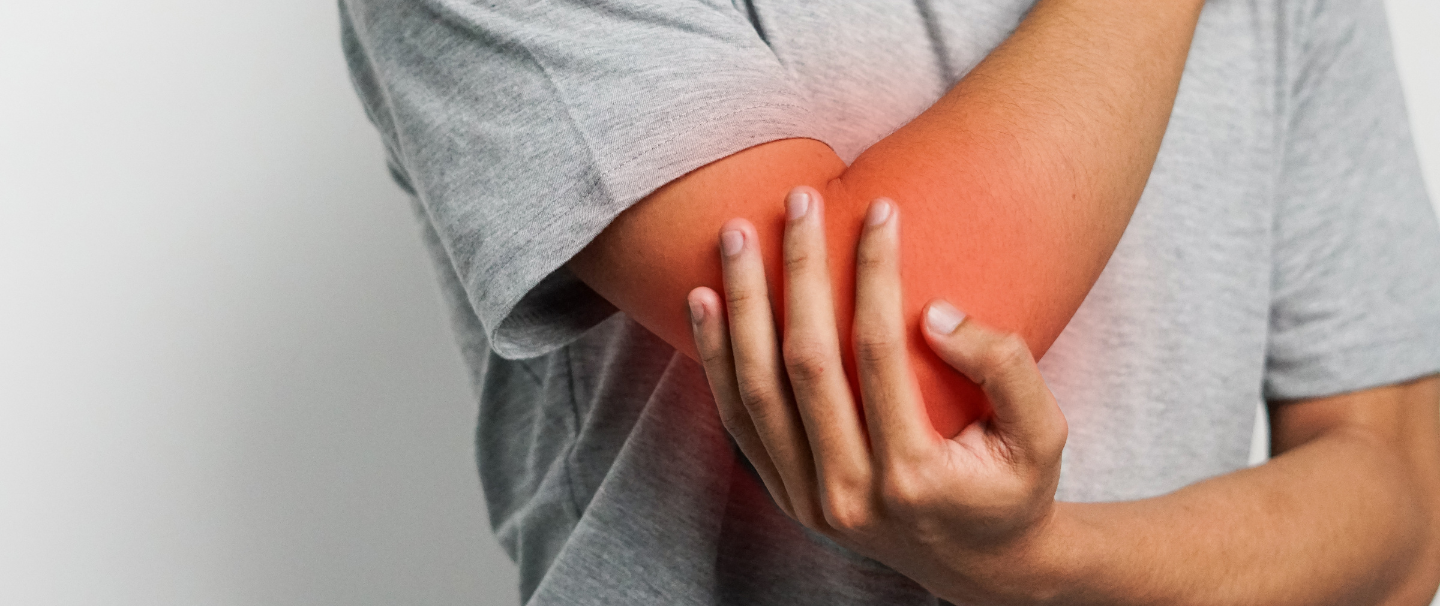
Cold weather can affect the body in many ways, especially for those suffering with high blood pressure and joint problems. During winter, many people notice their blood pressure readings going up or their joint pain getting worse. Let’s understand why this happens so you can manage your health better during winter.
Cold Weather and Blood Pressure
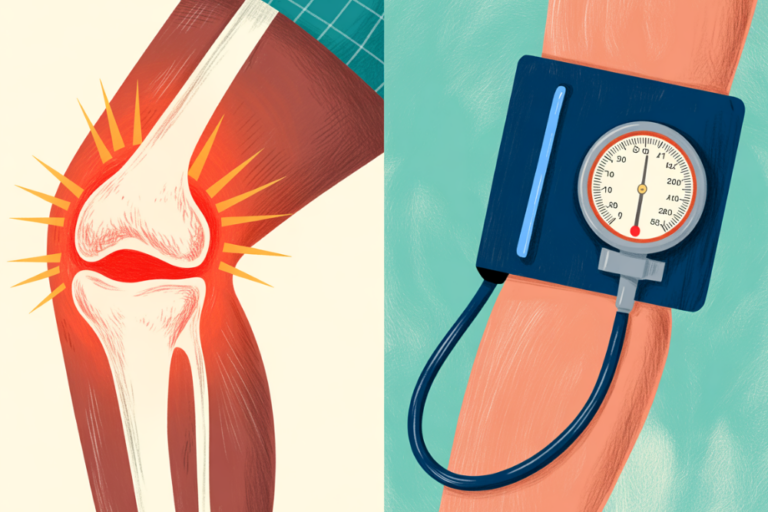
When the temperature drops, blood vessels tend to narrow. This narrowing makes it harder for blood to flow, which can increase blood pressure. People with existing conditions like hypertension, heart disease or diabetes are more likely to be affected.
In winter, physical activity often reduces and diets may include more salty or oily foods. Both these factors can further raise blood pressure. Cold weather also leads to less water intake, which causes dehydration and affects blood circulation.
Cold Weather and Joint Pain
Joint pain is another common winter complaint, especially among older adults and people with arthritis. Cold air can make muscles and ligaments stiff, reducing flexibility. Lower temperatures may also affect the fluid that lubricates the joints, making movement more painful.
Lack of movement during winter adds to the problem. Staying indoors for long periods can weaken muscles around the joints, increasing discomfort and stiffness.
Tips to Stay Comfortable in Winter
- Stay warm by wearing layered clothing, especially covering your neck, hands and knees.
- Keep moving with light exercises, stretching or short walks indoors or outdoors when possible.
- Monitor blood pressure regularly, especially if you are already on medication.
- Eat a balanced diet with less salt and more fruits, vegetables and whole grains.
- Drink enough water, even if you don’t feel thirsty.
- Use warm compresses or gentle massages to ease joint stiffness.
If your blood pressure readings remain high despite precautions or if joint pain becomes severe and limits daily activities, click the link below to consult a doctor online immediately. Early advice can prevent complications.