-
 Betson V
 - May 25, 2026

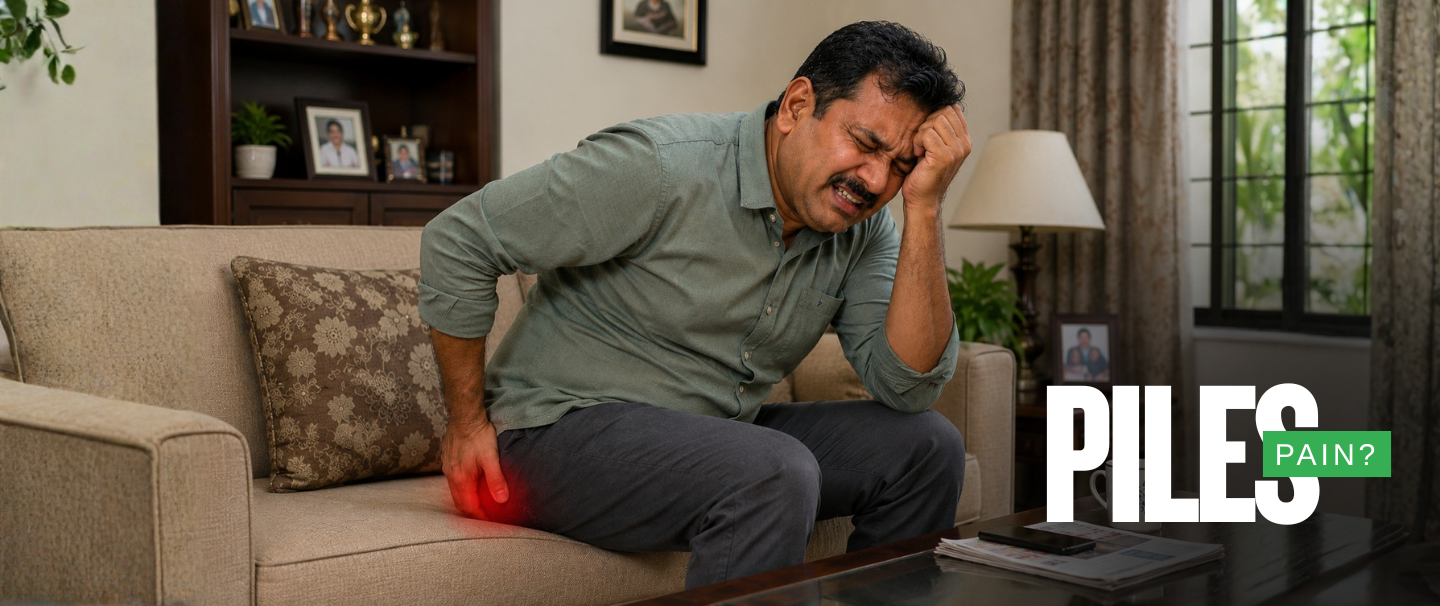
Piles, also known as hemorrhoids, are swollen veins in the lower rectum or around the anus. They are a common health problem that can affect people of all ages. Piles may cause pain, itching, discomfort or bleeding during bowel movements. While many people feel uncomfortable talking about it, understanding the causes of piles can help in preventing the condition early.
1. Constipation
One of the most common causes of piles is chronic constipation. Straining too much while passing stools puts pressure on the veins around the rectum, which can lead to swelling and irritation.
2. Low-Fibre Diet
A diet low in fibre can make stools hard and difficult to pass. Eating too much processed food, spicy food or junk food while avoiding fruits, vegetables, and whole grains may increase the risk of piles.
3. Dehydration
Not drinking enough water can also lead to constipation. During hot summer months, dehydration becomes more common and may worsen piles symptoms.
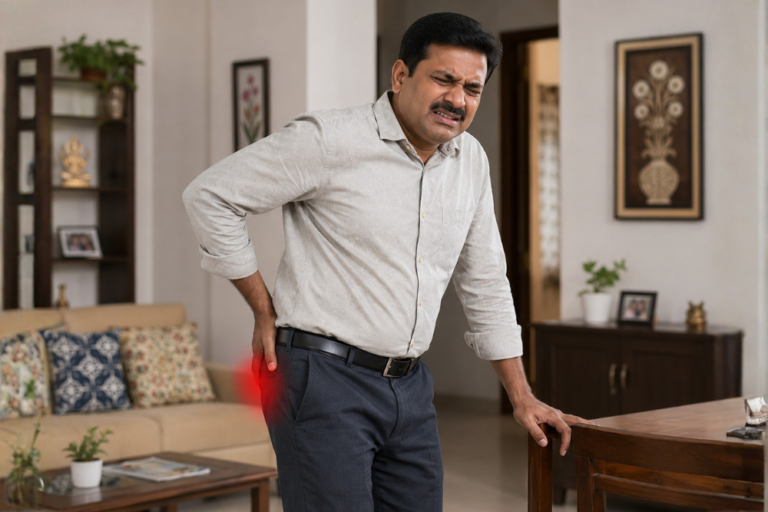
4. Sitting for Long Hours
People who sit for extended periods, especially office workers or drivers, may experience increased pressure in the lower rectal area. Lack of movement can also affect digestion and bowel habits.
5. Lack of Physical Activity
A sedentary lifestyle can slow down digestion and increase the chances of constipation, which is closely linked to piles.
6. Obesity and Weight Gain
Excess body weight can put added pressure on the veins in the pelvic and rectal area, increasing the risk of piles.
7. Pregnancy
Pregnant women are more likely to develop piles because of increased pressure on the lower body and hormonal changes that affect digestion.
Piles are common, but simple lifestyle changes can help reduce the risk. Drinking enough water, eating fibre-rich foods, staying physically active and avoiding excessive straining during bowel movements can support better digestive health and help prevent piles problems.